
Switch to high-octane fuel to optimize combustion efficiency. This upgrade can lead to more power output and sharper throttle response, crucial for competitive situations.
Fine-tune the air intake system to maximize airflow. Consider installing a performance air filter or a cold air intake kit, which can significantly enhance power and torque through improved oxygen flow.
Investing in a quality exhaust system can reduce back pressure and enhance engine efficiency. Look for lightweight materials that provide durability and better gas flow, improving acceleration and sound.
Upgrade the engine management software to get the most out of your modifications. A reflash or standalone ECU can adjust fuel maps, ignition timing, and other parameters to suit your specific setup.
Regular maintenance of components like spark plugs and fuel injectors ensures consistent operation. Clean or replace these parts to maintain optimal combustion and prevent performance drops.
Incorporate lightweight components, such as aluminum or carbon fiber parts, to reduce overall weight. A lighter setup enhances handling and contributes to faster lap times.
Implement a cooling system upgrade. A more efficient radiator or oil cooler will keep temperatures in check, providing better reliability and sustained performance during intense driving.
Lastly, seek a professional to ensure all modifications are properly tuned and tested. This step guarantees that every enhancement works synergistically for peak capability on the circuit.
Optimal Engine Tuning Techniques for Track Days

Adjust ignition timing to achieve better combustion efficiency. This can lead to increased throttle response and improved acceleration on the circuit.
Upgrade the air intake system. A high-flow air filter or a performance-oriented intake can enhance airflow, resulting in a noticeable boost in horsepower and torque.
Consider remapping the ECU. Tailoring fuel delivery and ignition curves to the specific demands of the racetrack can significantly elevate engine capabilities.
Implement aftermarket exhaust components to reduce backpressure. A less restrictive system will not only enhance flow but also contribute to weight reduction.
Optimize gear ratios for quicker acceleration. Short gearing can be beneficial for keeping the engine within its power band during spirited drives.
Utilize lightweight components. Upgrading to aluminum or carbon fiber parts can reduce mass, improving the vehicle’s responsiveness and handling.
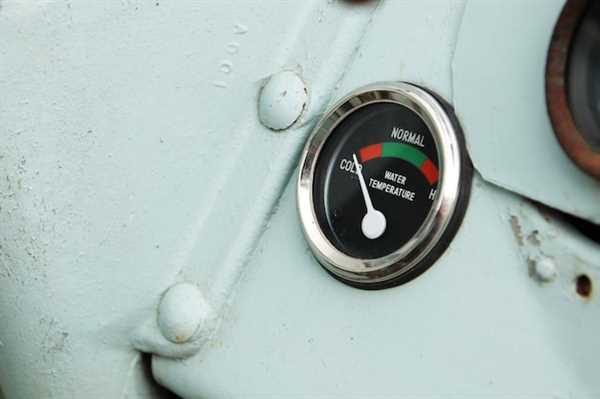
Regularly monitor engine temperatures. Installing an aftermarket gauge can help prevent overheating, ensuring consistent output during competitive laps.
Maintain proper fuel quality. Using higher octane fuel can optimize performance, allowing for greater power and efficiency.
Perform thorough maintenance checks before sessions. Ensure spark plugs, filters, and fluids meet optimal standards to avoid performance drops.
- Upgrade suspension for better weight distribution.
- Adjust tire pressures according to track conditions.
- Utilize high-performance brake pads for consistent stopping power.
Aftermarket Modifications to Boost Performance

Consider upgrading the air intake system. A high-flow filter allows for increased airflow, resulting in better combustion and throttle response, significantly enhancing acceleration. Combine this with a performance exhaust system to reduce back pressure, thereby improving the engine’s breathing capabilities.
A remap of the vehicle’s ECU often yields notable gains. Tuning the engine parameters can optimize fuel delivery and ignition timing, making the most of your hardware modifications. Choose a reputable tuner who understands your specific setup.
Installing a larger intercooler can greatly benefit turbocharged vehicles. This modification enhances the cooling efficiency of the intake air, preventing knock and improving power output under heavy loads.
Upgrading the fuel injectors is another sound decision. Higher-flow injectors support more fuel delivery, which, when paired with proper tuning, leads to increased horsepower and torque. Ensure that your fuel pump supports the demand of these injectors.
Don’t underestimate the value of weight reduction. Replacing factory components with lightweight alternatives, such as carbon fiber hoods or aluminum wheels, can improve acceleration and handling. A lighter vehicle requires less power to achieve the same speeds.
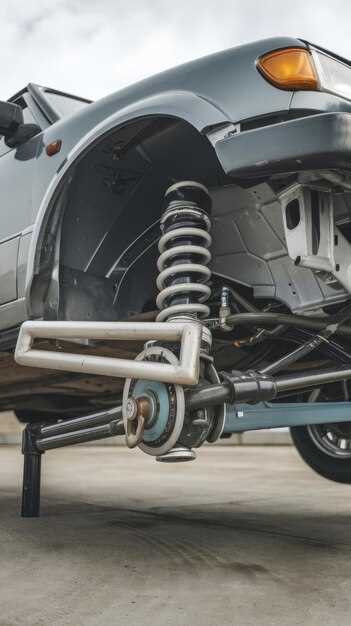
Suspension upgrades, including coilovers or adjustable shocks, also contribute to on-track performance. Better handling stability allows more aggressive cornering and improved lap times, making each run more enjoyable.
Lastly, installing performance tires designed for grip further enhances traction. Look for tires that offer a good blend of durability and performance for track conditions.
Proper Maintenance Practices for Track-Day Preparedness
Regular fluid checks are pivotal. Engine oil, transmission fluid, and coolant should be at optimal levels and clean. Replace or top up as necessary to prevent overheating or performance drops.
Inspect and replace air filters to ensure unobstructed airflow. A clean air filter helps the combustion process and maximizes output during intense sessions.
Brake components must be thoroughly examined. Brake pads should be fresh with ample material left. Worn-out pads can lead to brake fade, severely compromising safety and handling.
Tire condition is a critical factor. Check tread depth and pressure before every event. Adequate grip is essential; consider tires suited for the specific surface and conditions of the track.
Regularly assess suspension components. Struts, shocks, and bushings should be in good condition to maintain stability and responsiveness. Replace anything that shows signs of wear or damage.
Battery health is often overlooked. Ensure terminals are clean and connections tight. A strong battery is necessary for reliable ignition and powering systems under high stress.
Engine mapping should be reviewed. Update software if necessary to align with modifications and ensure optimal efficiency. Fine-tuning can yield significant results in output and throttle response.
Conduct a thorough inspection of all belts and hoses. Look for any signs of cracking or wear. Replacing these components proactively can prevent unexpected failures on the circuit.
Always perform a final inspection before heading out. Confirm that all systems are operational and take time to test the vehicle under light conditions to check responsiveness before full sessions.